7 min read
case study
Olofsfors
Protecting a 260-Year Legacy in a Digital Age.
role
Workshop Facilitation
Visual Design
Stakeholder Alignment
principles
Brand-Driven Design
Product Transparency
DURATION
1 Month
tools
Figma/Figjam
Photoshop
background
problem
CHALLENGE
strategy
USER INTERVIEW
Listening to the Decision Makers
Early on we spoke with procurement stakeholders at Sveaskog, Stora Enso, SCA Skog, and Terranor, revealing what actually drives decisions in forestry and construction and where momentum tends to slow down.
Pain Points
Where Confidence Was Lacking
While quality and durability were must-haves, buyers often struggled with inconsistent specs, hard-to-compare suppliers, and slow, clunky processes. In a market built on trust, unclear product information made it harder for buyers to feel confident in their choices.
Key Insights
IDEATION
User Persona
Clarifying Who We’re Designing For
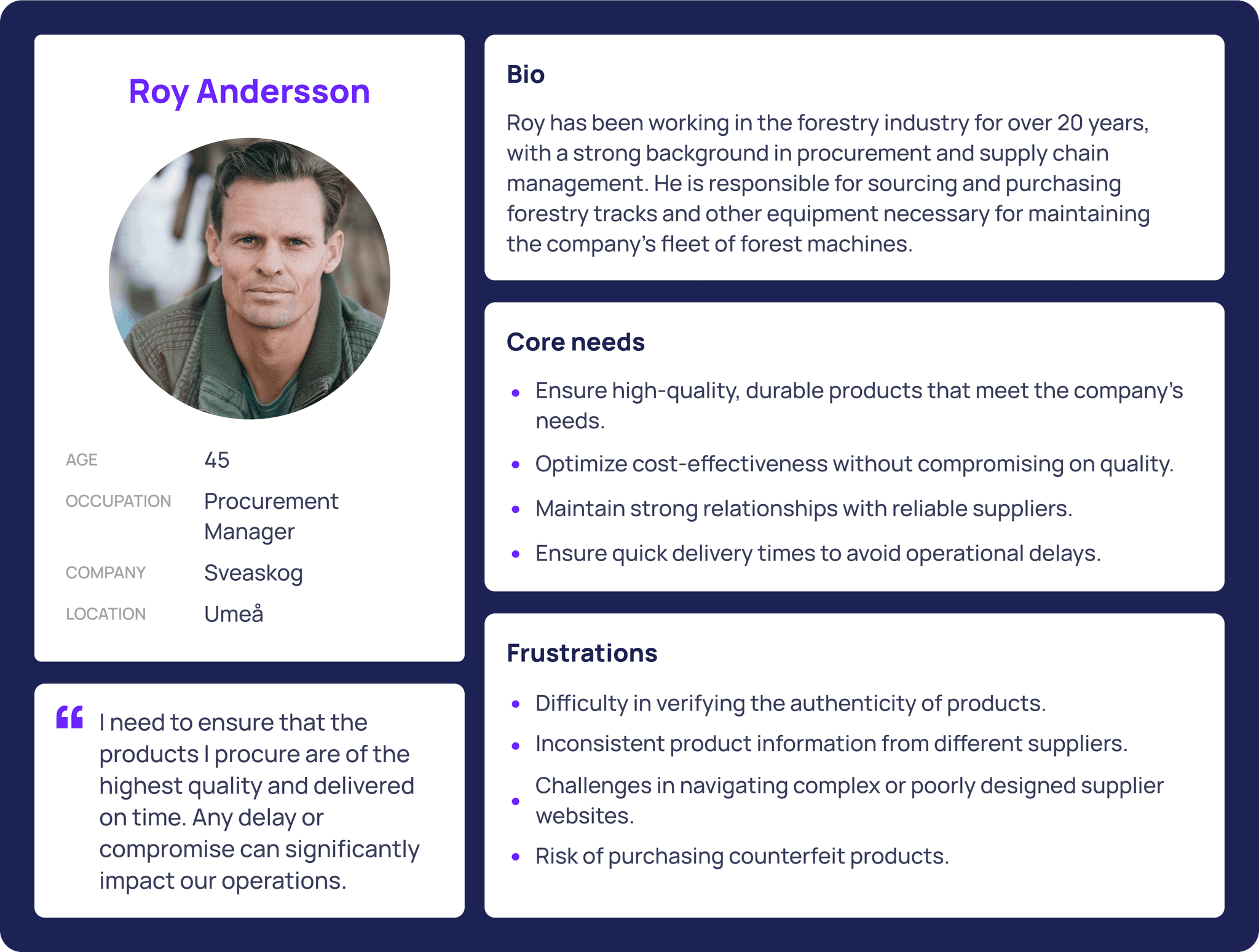
We wanted our next step to stay close to what we’d actually learned. So we shaped a user persona that captured how a typical stakeholder thinks, feels, and decides: from how they weigh up durability and safety, to the frustration of unclear specs and slow processes. It helped us filter out distractions and focus on what actually mattered to the people we were designing for.
FINDINGS
Turning Insight Into Direction
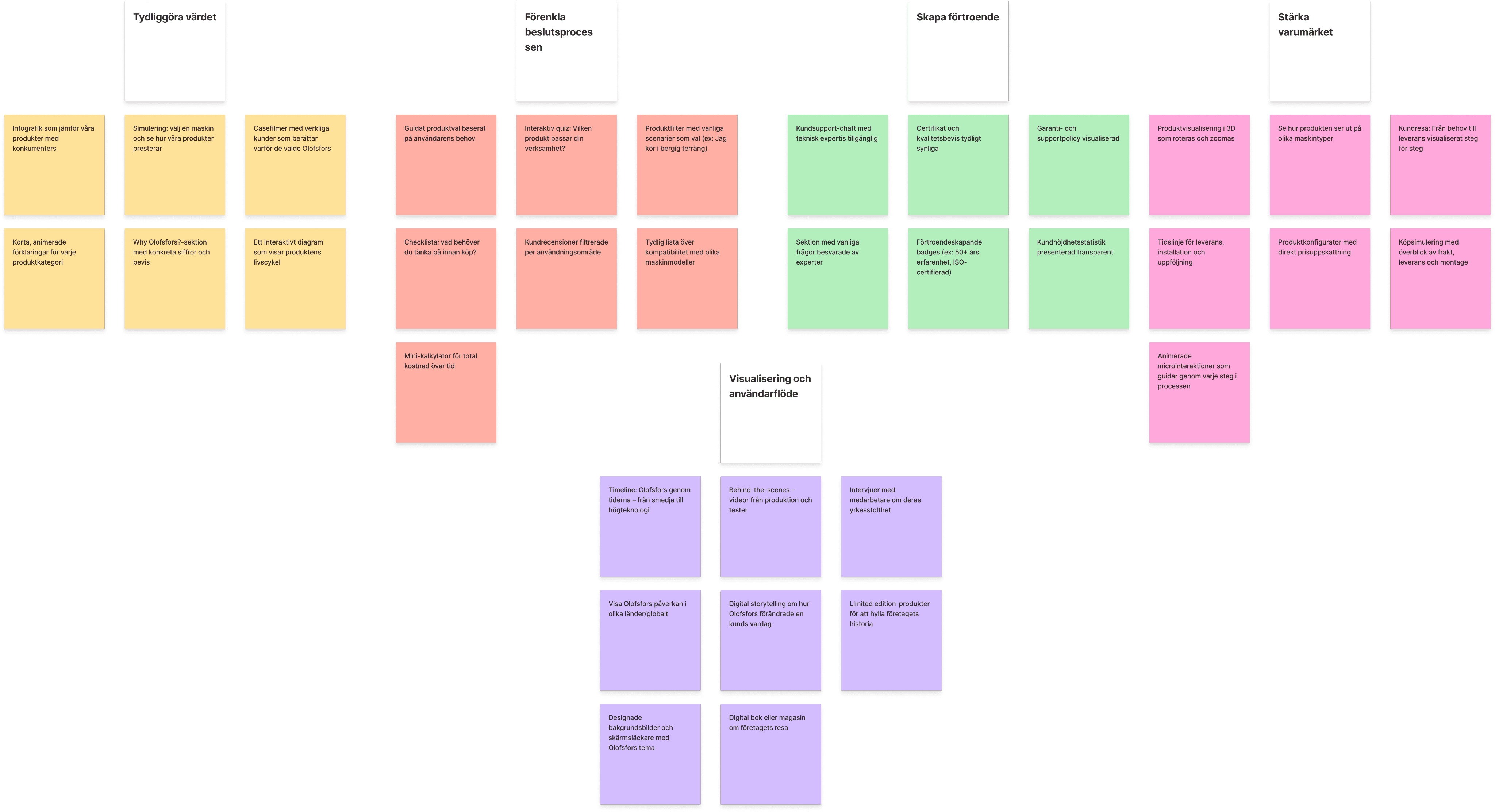
With the persona as a lens, we ran a 6‑3‑5 brainstorm session to generate ideas rooted in real needs. Working in fast-paced rounds, we explored how Olofsfors could build trust, sharpen clarity, and make their strengths stand out, not just visually, but through structure, tone, and content. The process gave us a wide range of tangible directions to build on.
Takeaways
Rough Sketches
Lo-Fidelity Wireframes
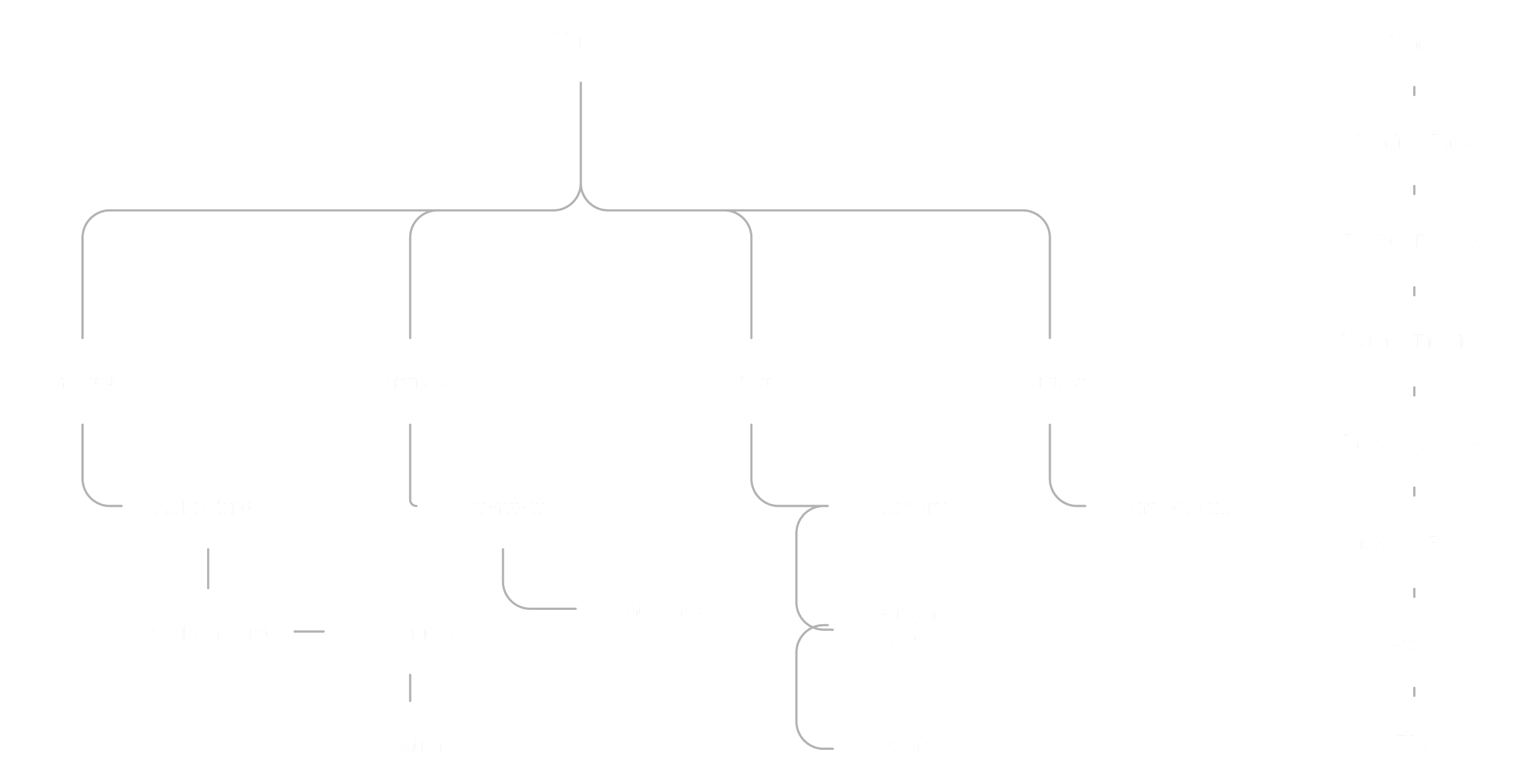
Sitemap
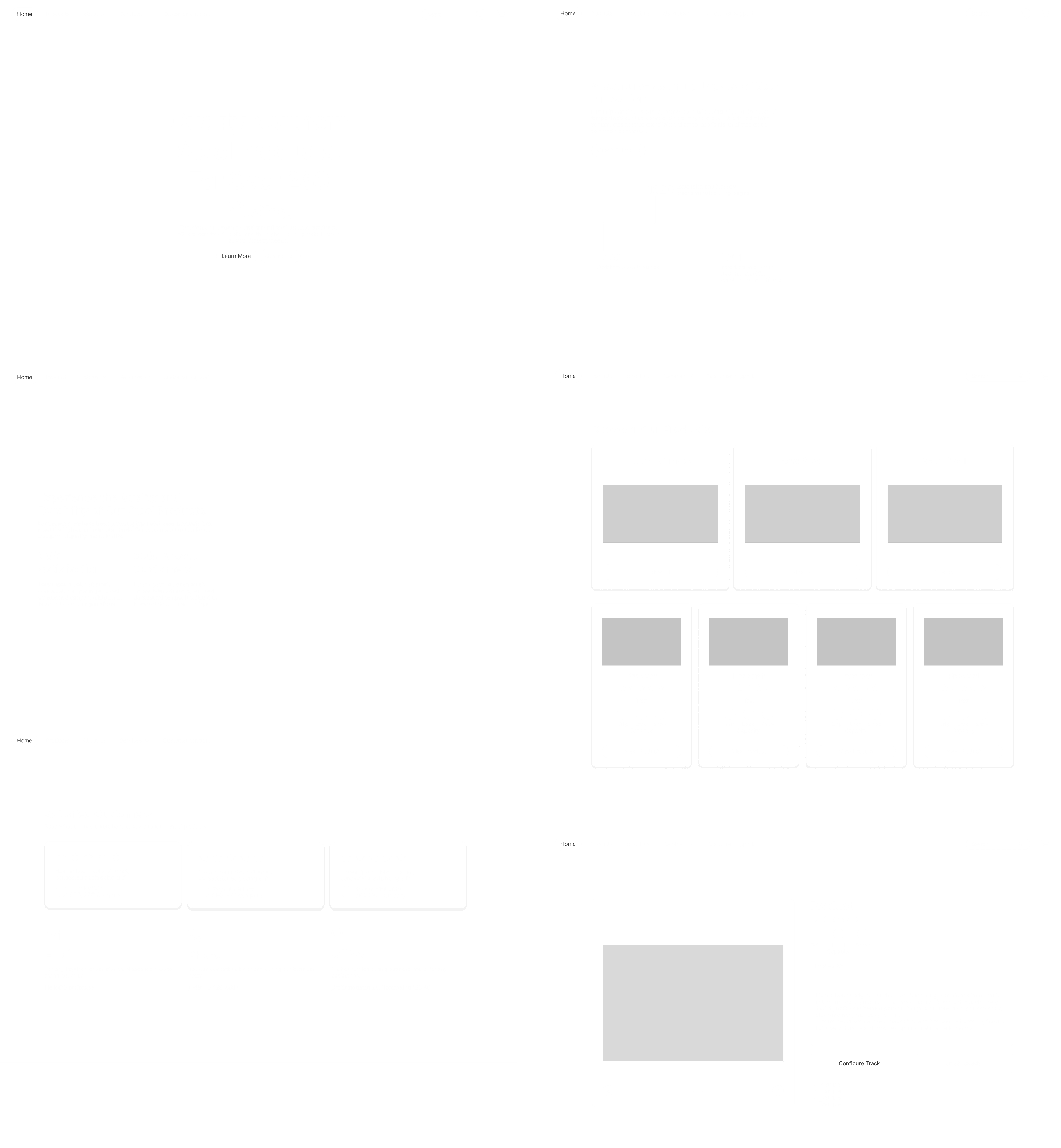
Mid-Fidelity Wireframes
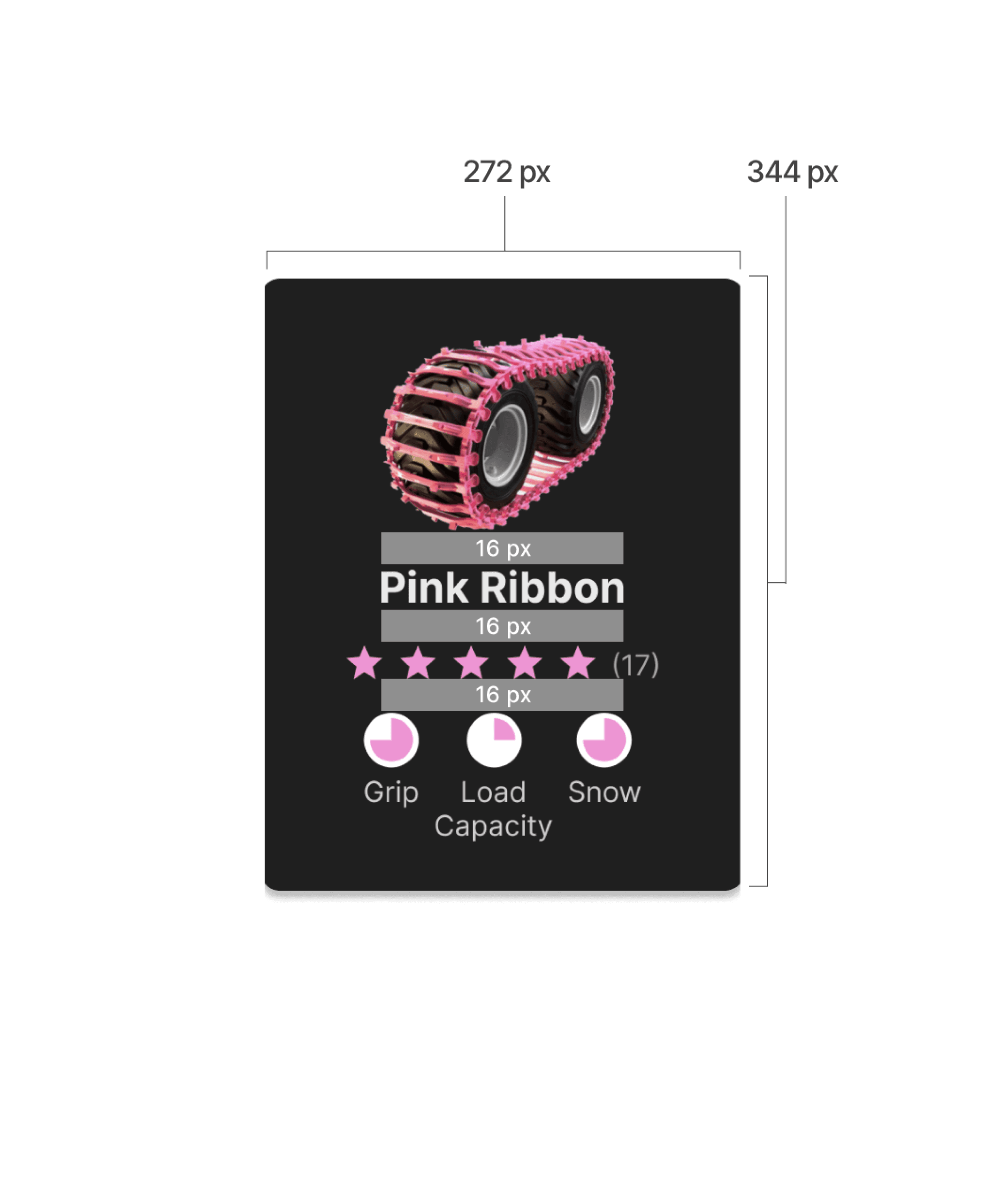
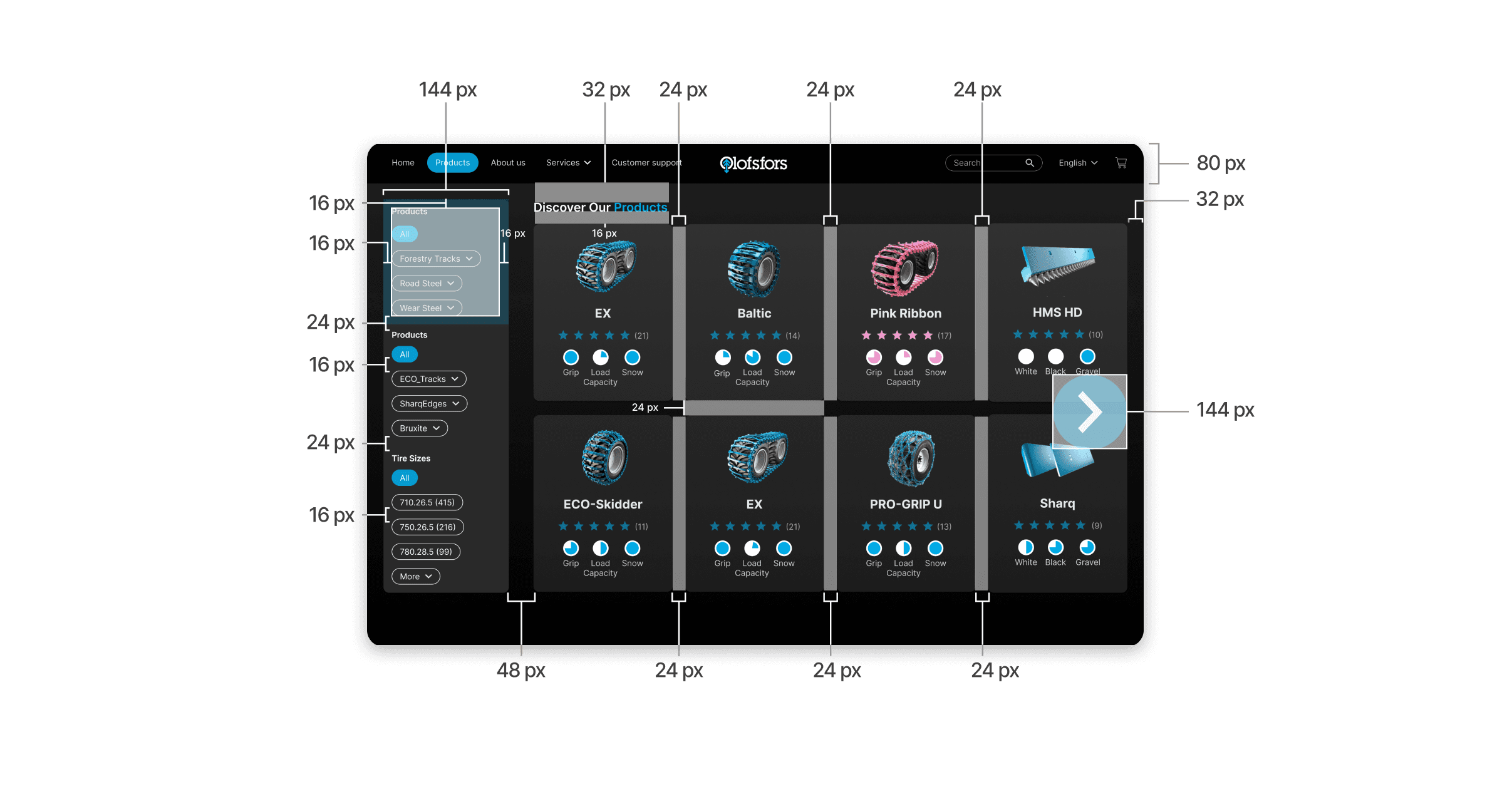
Design System
Final Prototype
From Process to Prototype
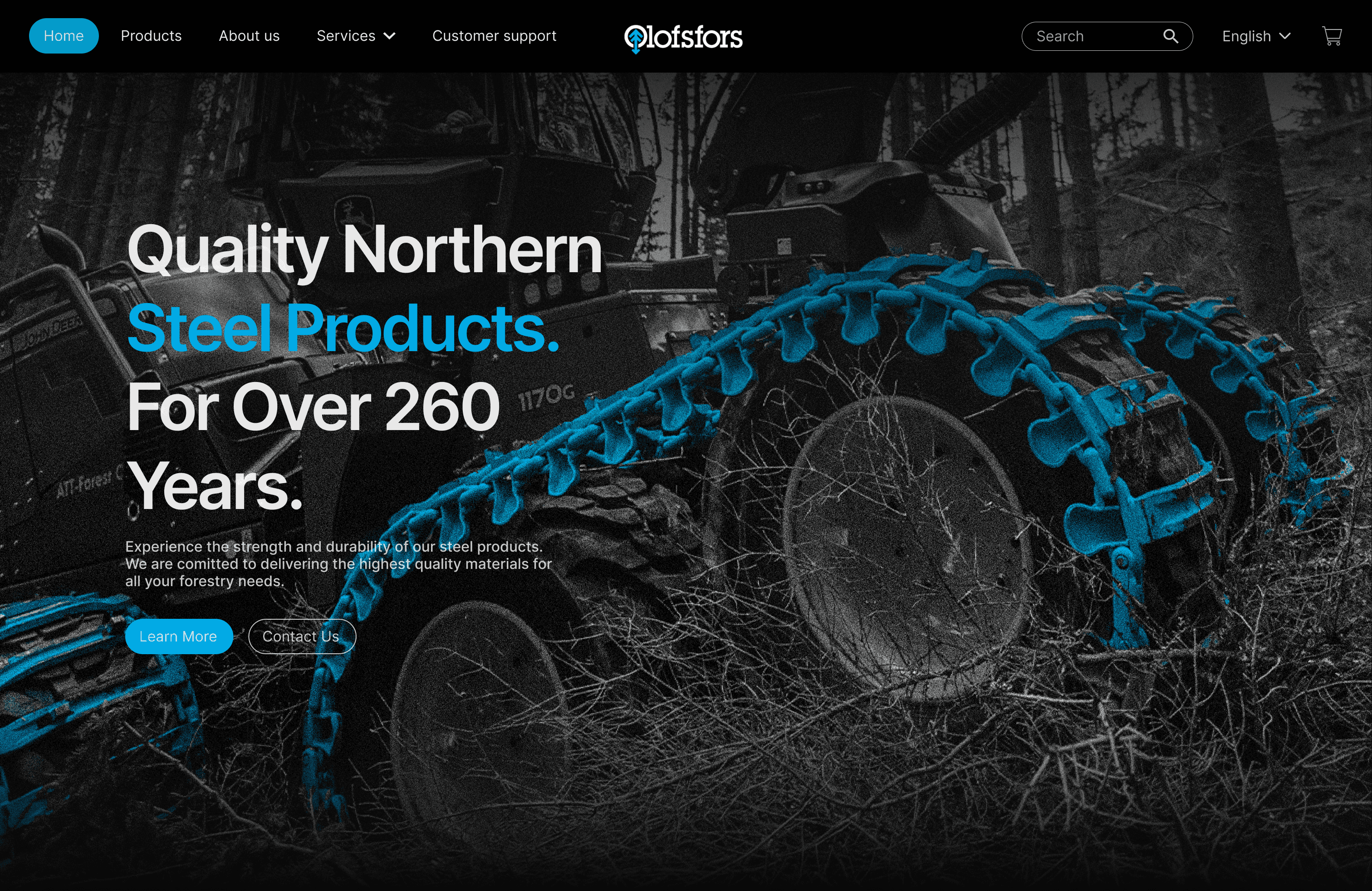
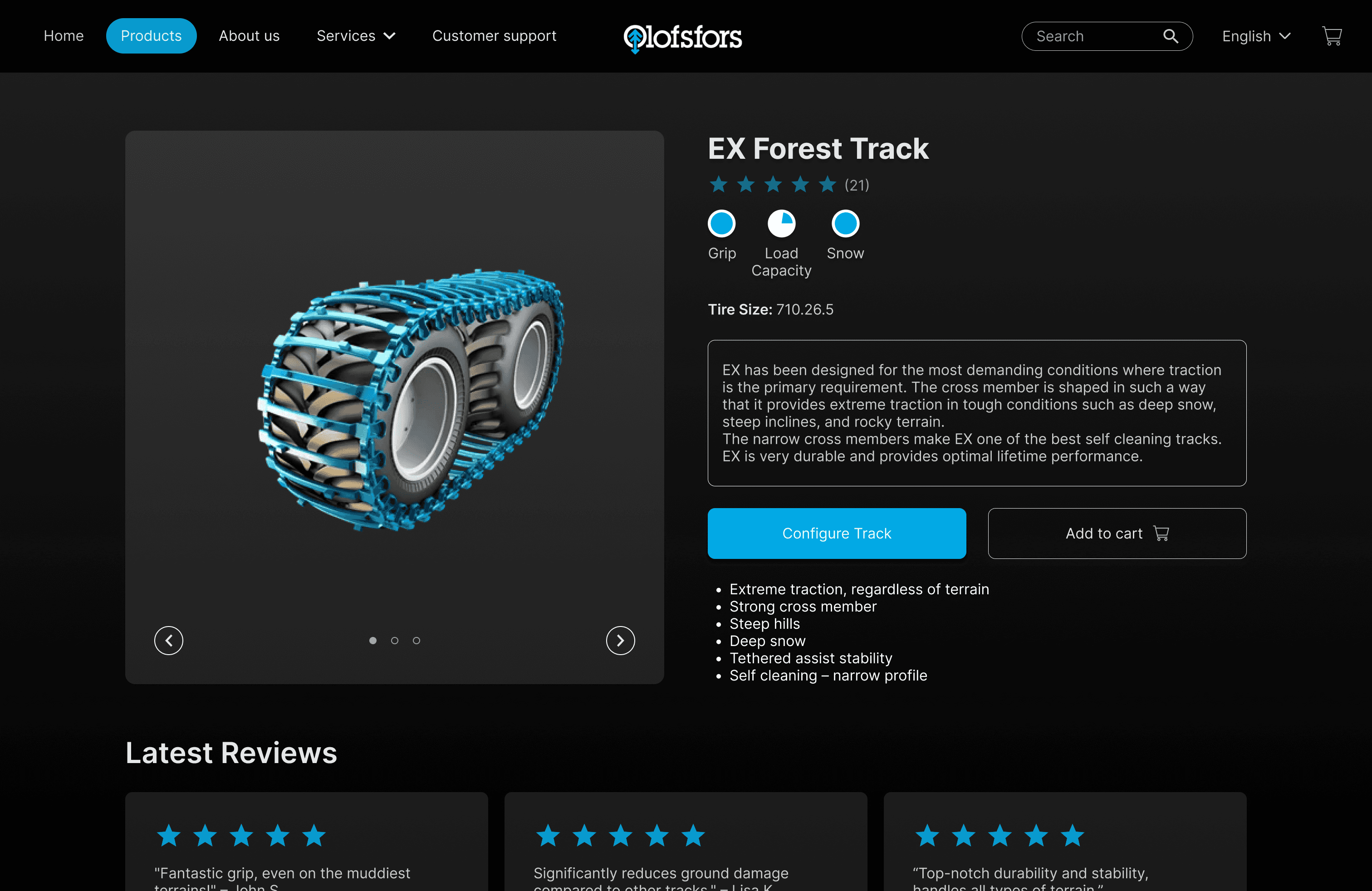
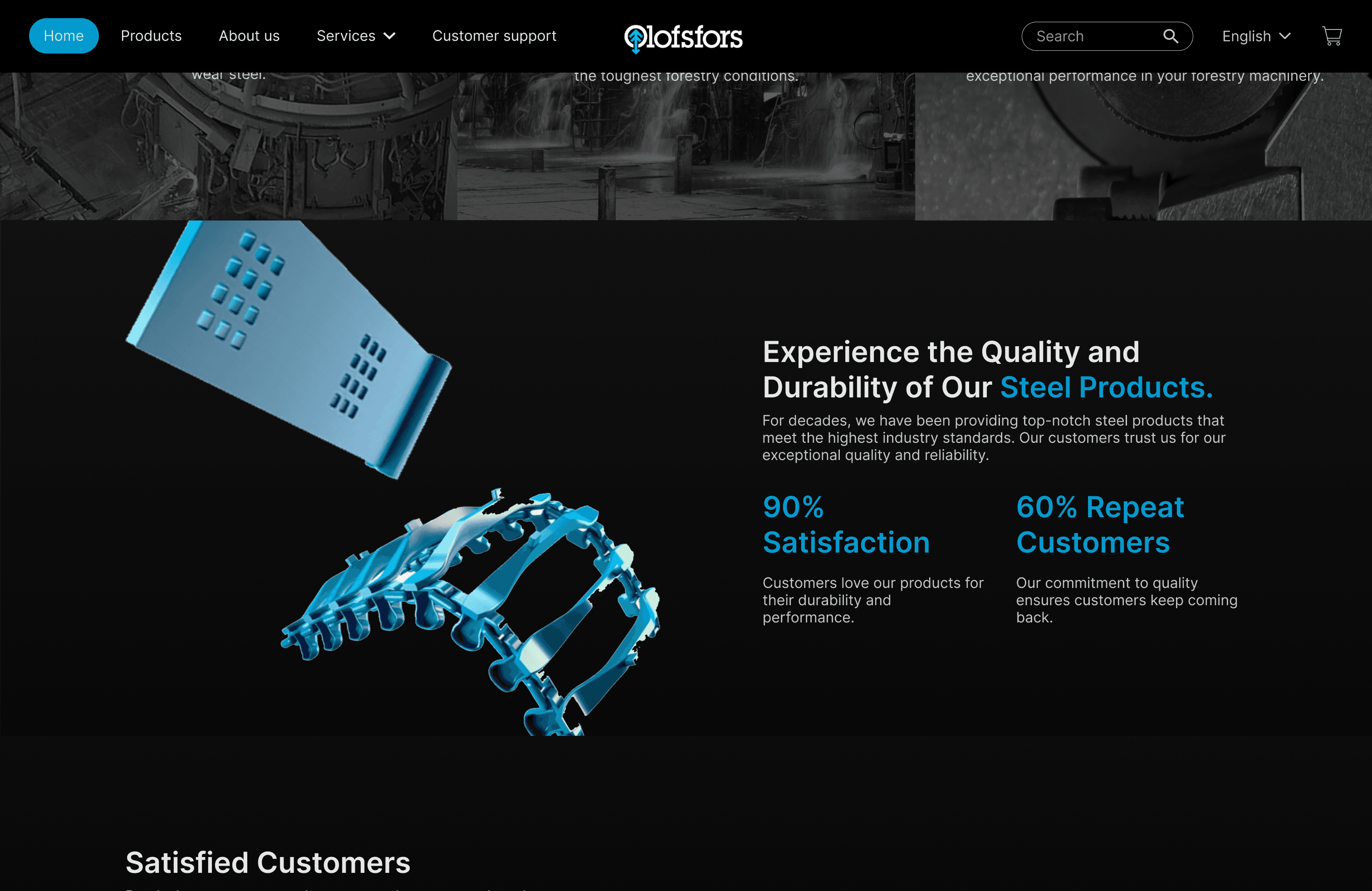
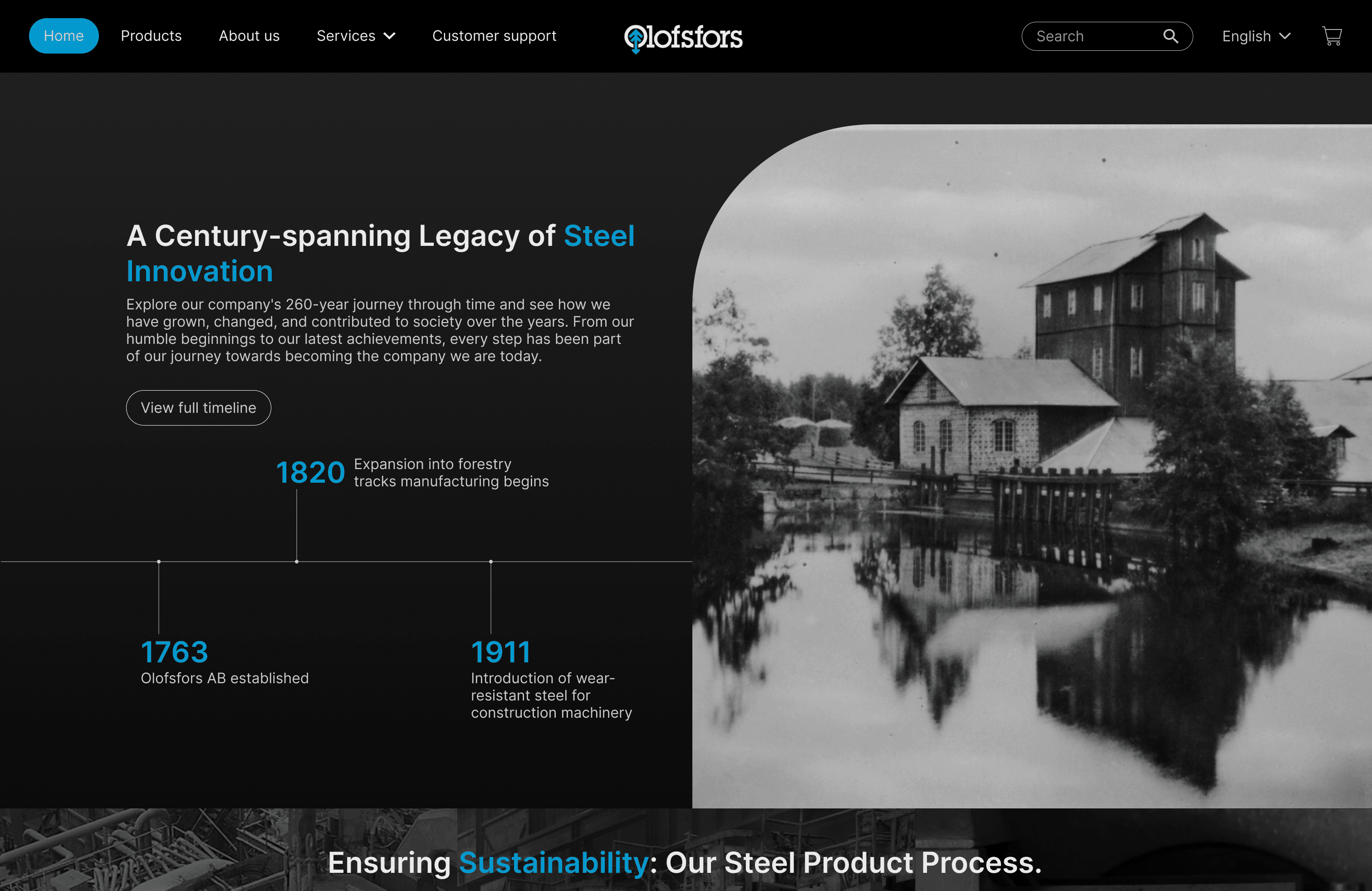
Our final prototype brought the entire design process into focus. From branding and structure to tone and trust-building content, it visualised how Olofsfors could present itself with more clarity and confidence, without losing the edge that sets the brand apart.
Final Prototype
Making Our Ideas Tangible
Rather than just suggesting ideas, we used the prototype to show how key strategies could play out across the actual experience: highlighting product details, communicating more transparently, and giving space to the company’s heritage. It became a way to test and refine our thinking in context.
Final Prototype
A Direction to Build On
This gave Olofsfors a tangible direction forward, not as a finished solution, but as a foundation to build on. A stronger, more unified experience that could reinforce their leadership, while making their value easier to see, trust, and remember.